The quality of your assemblies depends on clear criteria and appropriate inspections. EVIACORE applies IPC-A-610 criteria, takes your specific requirements into account and is structuring its organisation as part of an ISO 9001 certification process.
- IPC-A-610 CIS
- Certified since January 2026
- ISO 9001
- Certification process under way
Three commitments shaped around your requirements.
Our approach to quality combines a recognised standard, attention to your needs and continuous improvement of our organisation.
Applying IPC-A-610
Every assembled board is inspected against IPC-A-610 criteria, the international reference for the acceptability of electronic assemblies.
Meeting your specific needs
Acceptance criteria, additional inspections, traceability or required documents: we adapt our service to the requirements agreed with you.
Preparing for ISO 9001 certification
Our ongoing certification process is giving lasting structure to our quality management system so we can consistently meet the requirements of current and future customers.


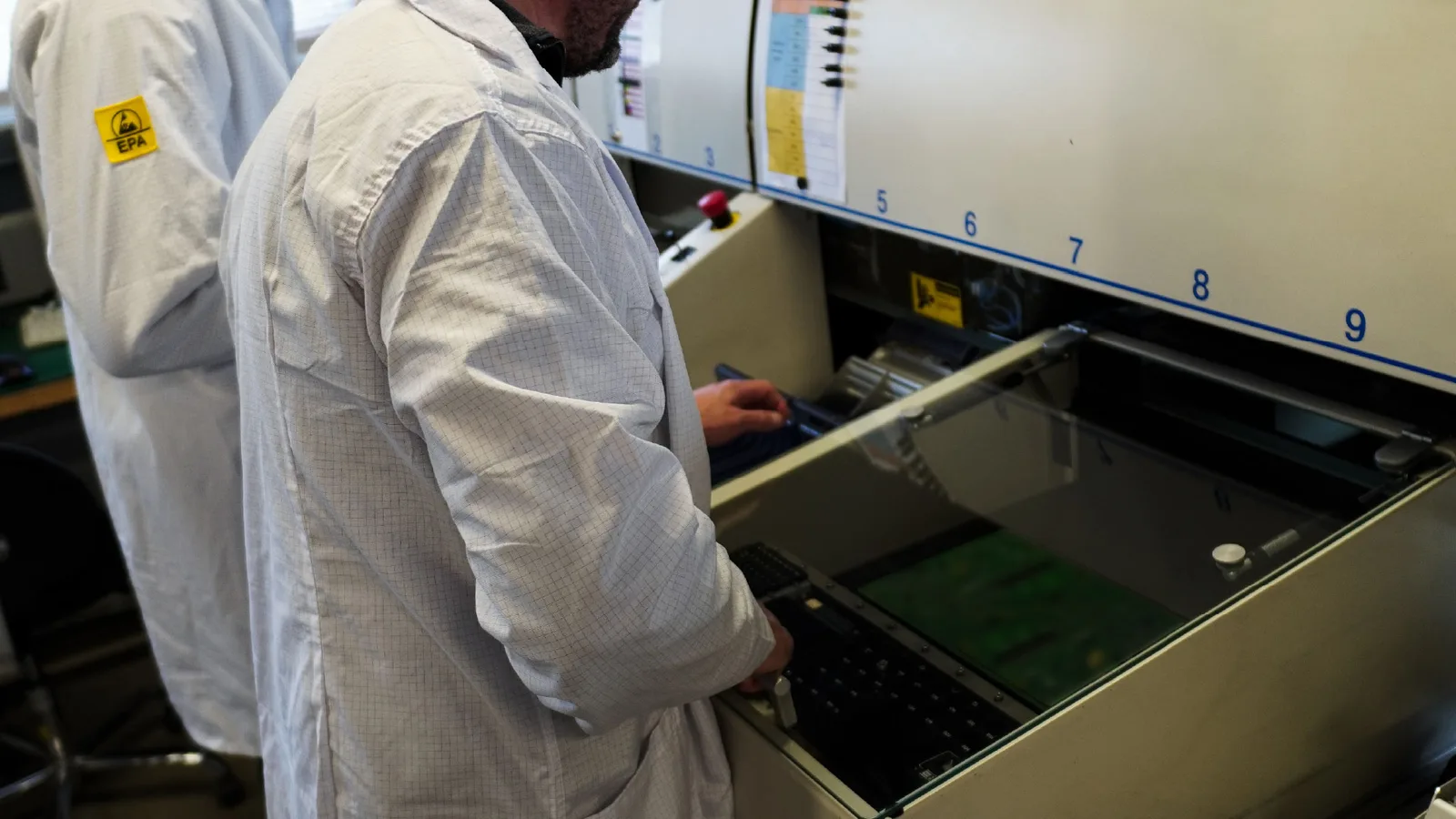
Precise criteria for carefully assembled boards.
The international IPC-A-610 standard defines the acceptability criteria for electronic assemblies. It provides precise guidance for assessing solder joints, component placement and assembly defects.
IPC-A-610 CIS certification
MEROUR Maxime
Obtained in January 2026
Certified as an IPC-A-610 CIS since January 2026, MEROUR Maxime brings this technical expertise to EVIACORE production. These criteria guide manufacturing, inspection and any rework.
ISO 9001
Building structure today. Improving for the long term.
We are actively structuring EVIACORE's quality management system with a view to obtaining ISO 9001 certification.
Documented procedures
Define operating procedures and verification points to make practices repeatable.
Traceability
Structure the tracking of components, files and production runs so useful information can be retrieved.
Non-conformities
Organise the identification and analysis of deviations and the follow-up of corrective actions.
Equipment monitoring
Formalise the monitoring of production and inspection equipment to maintain its reliability.
Supplier qualification
Define criteria for selecting and monitoring partners to better control sourcing.
Continuous improvement
Turn lessons learned into concrete actions and monitor their effectiveness.
A certificate of conformity.
We systematically provide a certificate of conformity with every production run. This document accompanies your boards and attests to their conformity with the agreed requirements.
Your quality requirements deserve a conversation.
Acceptance criteria, specific inspections and traceability: let us prepare a production process tailored to your project.
Talk to our team